

Here’s a surprisingly simple strategy to help you build some serious wealth – and it comes from The Wealthy Barber by David Chilton. This was one of the first financial books that I ever read as a younger person and it was filled with great financial advice. The one strategy that really clicked for me though was called “dollar cost averaging”. It was simple, it made sense, and even though I was just starting out, I could tell that it would be very valuable as I built my own portfolio.
WHAT IS DOLLAR COST AVERAGING?
Dollar cost averaging simply means that you are investing a consistent amount on a regular schedule –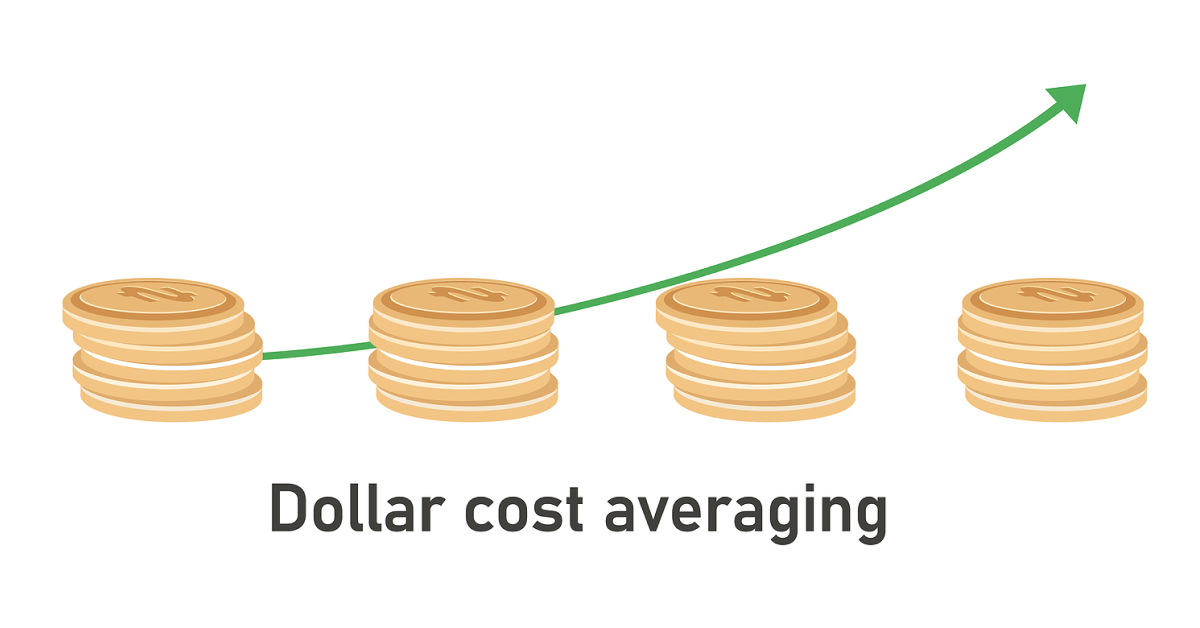 perhaps every month or 2 weeks – regardless of whether the markets are up or down.
When the markets are higher, your regular contribution buys fewer investment units. When markets fall, that same contribution buys more units.
Essentially dollar cost averaging allows you to buy more units when prices are low and, as the market grows over time, those extra units grow in value too.
Because you keep those gains invested and continue adding new units, your investment has the opportunity to grow on top of previous growth — creating the compounding effect.
SETTING UP REGULAR CONTRIBUTIONS
This is very easy to do and comes with another simple financial strategy – make it automatic and PAY YOURSELF FIRST. If you wait until you have extra money to save or invest, competing priorities often come up and you can find that there is none left over at the end of the month. With regular contributions you set it up as a regular deposit coming from your bank account, you plan for it, forget about it and you’re paying yourself first. Now that money can be invested and start compounding over time.
You don’t have to break the bank. Regular contributions can be whatever you can afford – $25, $100, or $1,000. The great things is that once it’s set up, you start to see your progress and you can always increase it anytime you want.
SOMETIMES SIMPLE IS REALLY POWERFUL

We don’t know what the markets will do next week, next month or next year. Trying to predict them can be stressful – even professional investors don’t get it right all the time.
What we can control is how much we save, how regularly we invest and whether we have a sound investment strategy. That’s what I took away from the Wealthy Barber all those years ago and it’s a lesson I still believe in today – save regularly, invest consistently, give your money time to grow and don’t let emotions make your investment decisions.
And on that note…
HOW CAN YOU TAKE ADVANTAGE OF DOLLAR COST AVERAGING AND BUILD YOUR RETIREMENT NEST EGG?
– Decide how you are going to invest – through TFSA, RRSP, Cash – or all three.
– Find a quality, low fee product to invest in – I can offer some great suggestions!
– Set up regular contributions.
– Stay invested for the long term.
– Watch your growth compound over time from regular contributions and dollar cost averaging.
TO SUM UP
Making regular contributions and taking advantage of dollar cost averaging can be a powerful strategy for long term wealth building. It also takes the anxiety out of trying to “time the market” and allows you to feel confident and take advantage of the downturns because you’re now buying units when prices are low.
You don’t need to be a sophisticated investor to build wealth – all you need is a good investment strategy, regular contributions and time.
CONTACT ME!
If you’d like to talk further about your investment strategy and your financial goals – contact me! I’d be happy to have a (no-obligation) conversation.
Book a 30-Minute Financial Discovery Meeting with Shannon
Thanks for reading!

Shannon Pineau
Exempt Market Dealing Representative
E: spineau@sentinelgroup.ca
C: 403-872-4010
This blog post is intended for information purposes only and does not constitute an offer to sell or a solicitation to buy securities. No securities regulatory authority or regulator has assessed the merits of the information herein or reviewed the information contained herein. This blog post is not intended to assist you in making any investment decision regarding the purchase of securities. Rather, the Trust has prepared an offering memorandum for delivery to prospective investors that describes certain terms, conditions and risks of the investment and certain rights that you may have. You should review the offering memorandum with your professional adviser(s) before making any investment decision. This blog post and the accompanying offering memorandum are intended for delivery only to, and participation in the investment is restricted to, investors to whom certain prospectus exemptions apply, as described in the offering memorandum.
 contribute periodically and they tend to invest in a mix of mutual funds with perhaps some individual stocks thrown in. They also tend to stay (mostly) invested through market ups and downs.
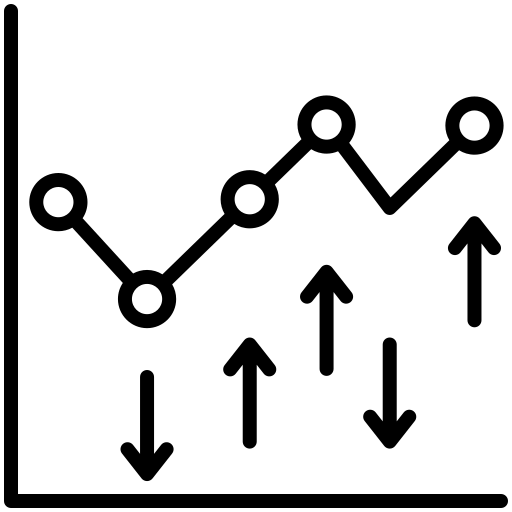 If you were to look at a large number of RRSP or TFSA portfolios side by side, you’d notice something interesting: they’re often remarkably similar. There may be different banks, different fund names, different managers — but underneath the surface, many hold similar public companies and are driven by the same market forces.

 Apart from diversification and lower correlation – one of the key reasons that investors explore private investing is the ability to find higher returns. The private markets can offer the potential for considerable rewards if an investor doesn’t mind the higher risk, a longer term and reduced liquidity options.
